Art is a Vessel that Holds - Grade 4 & 5
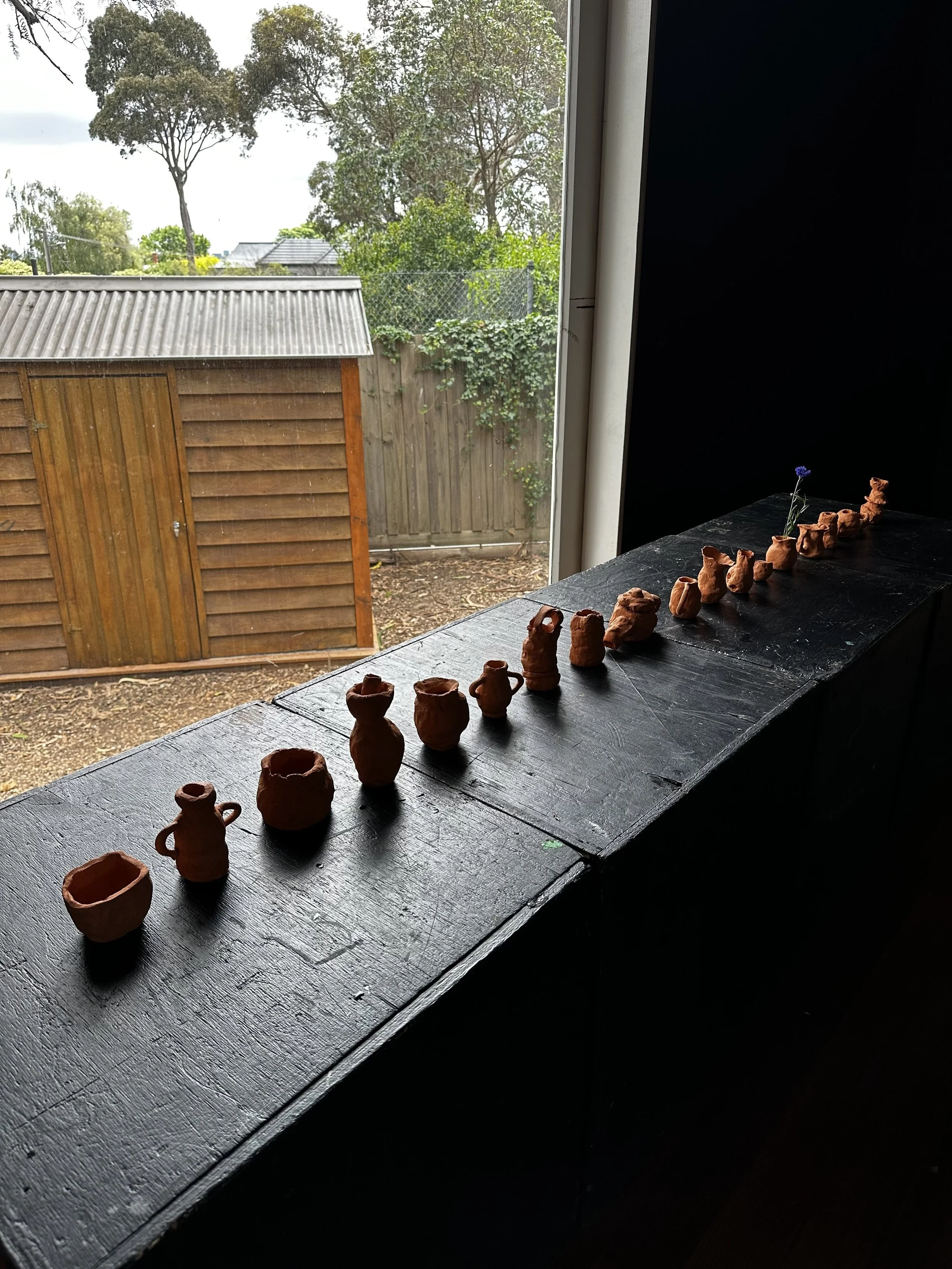
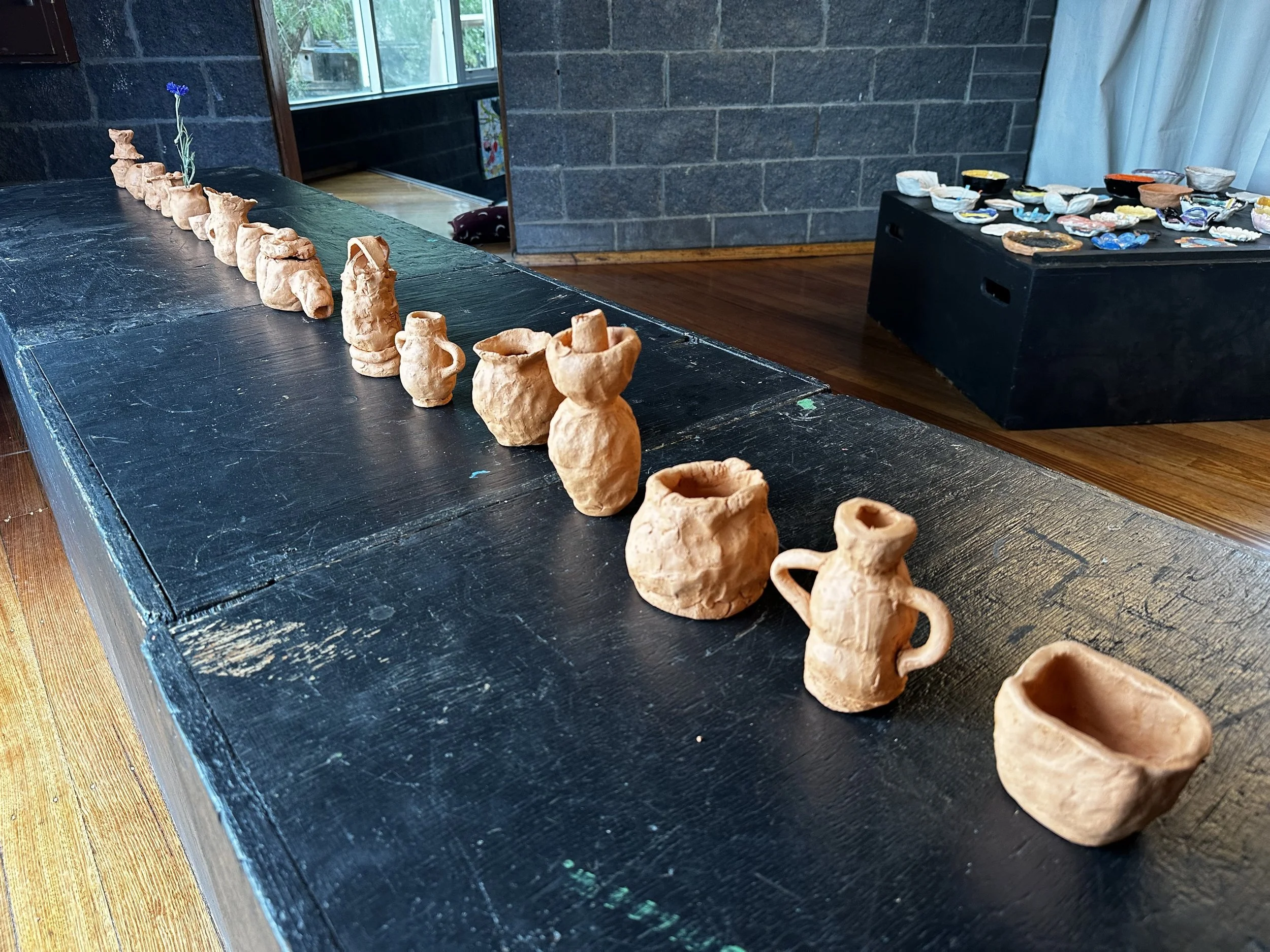
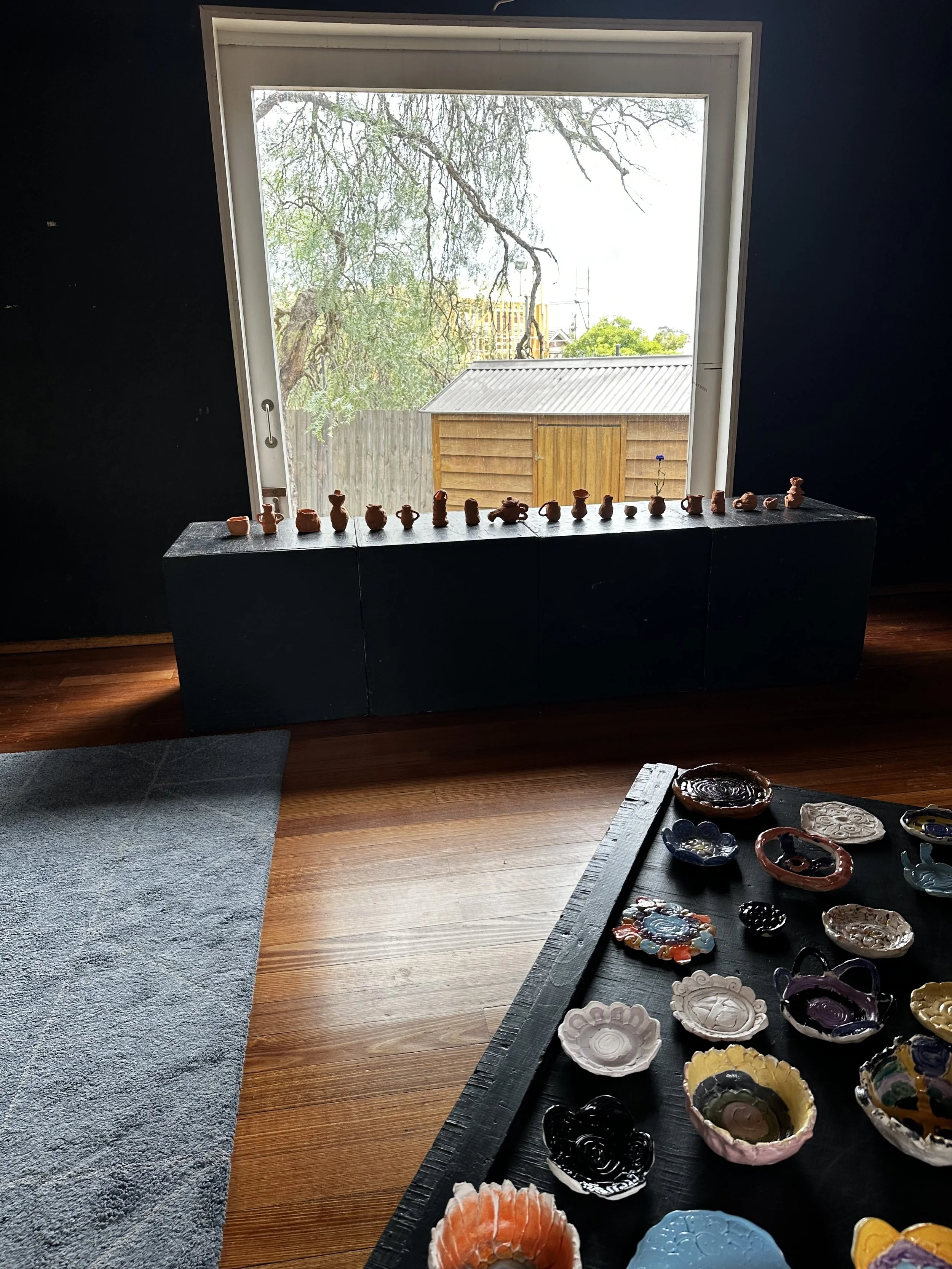
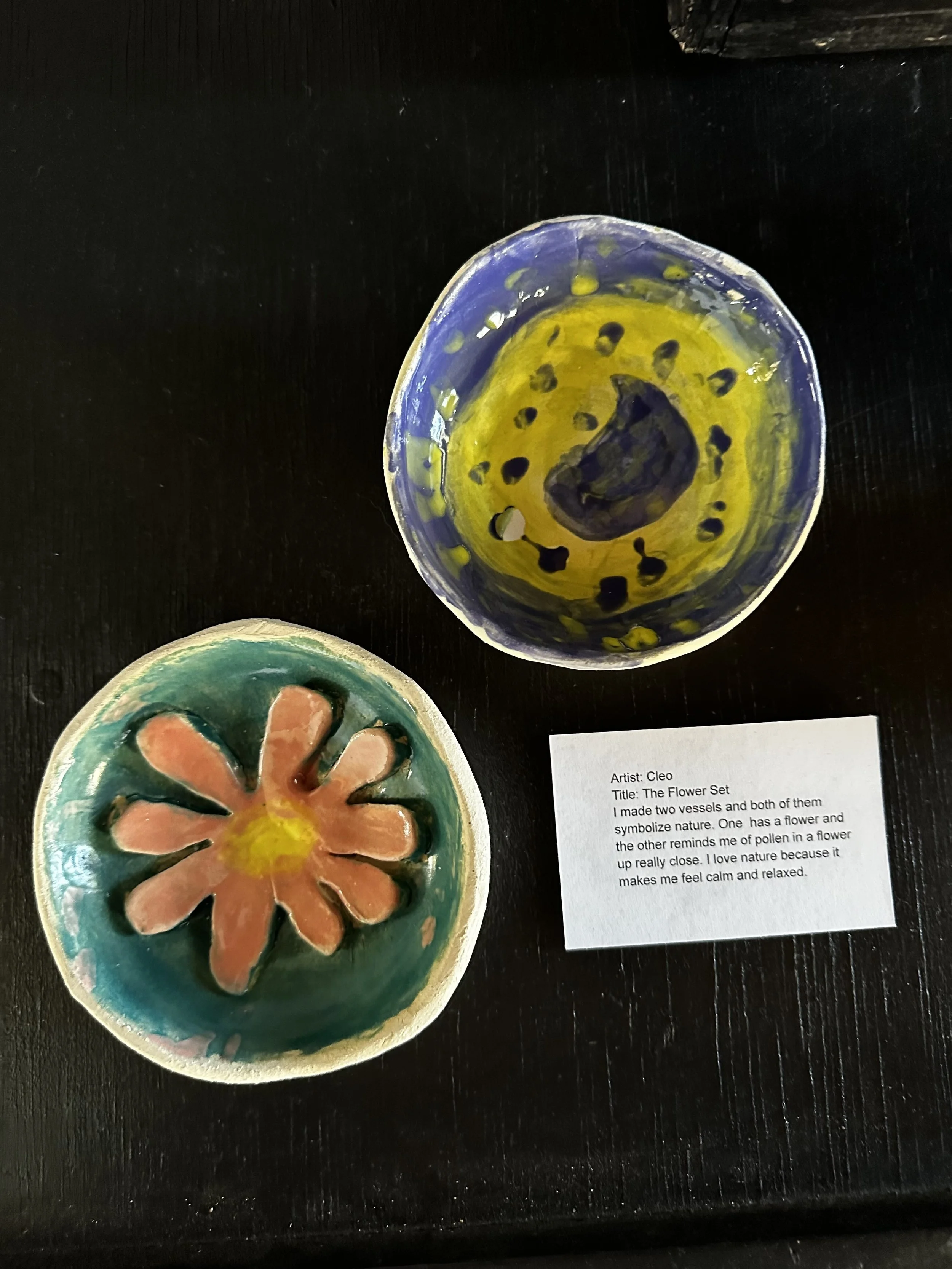
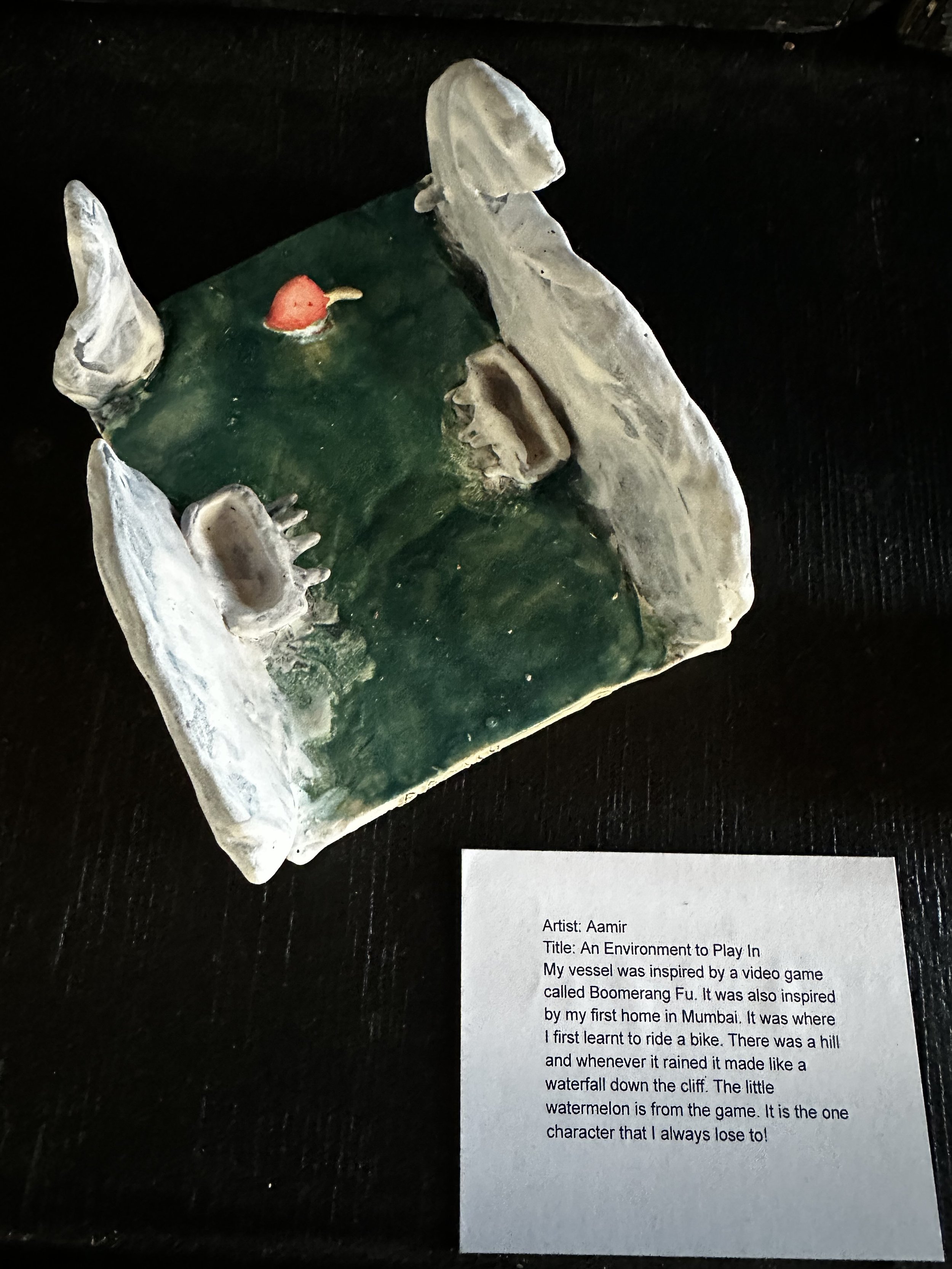
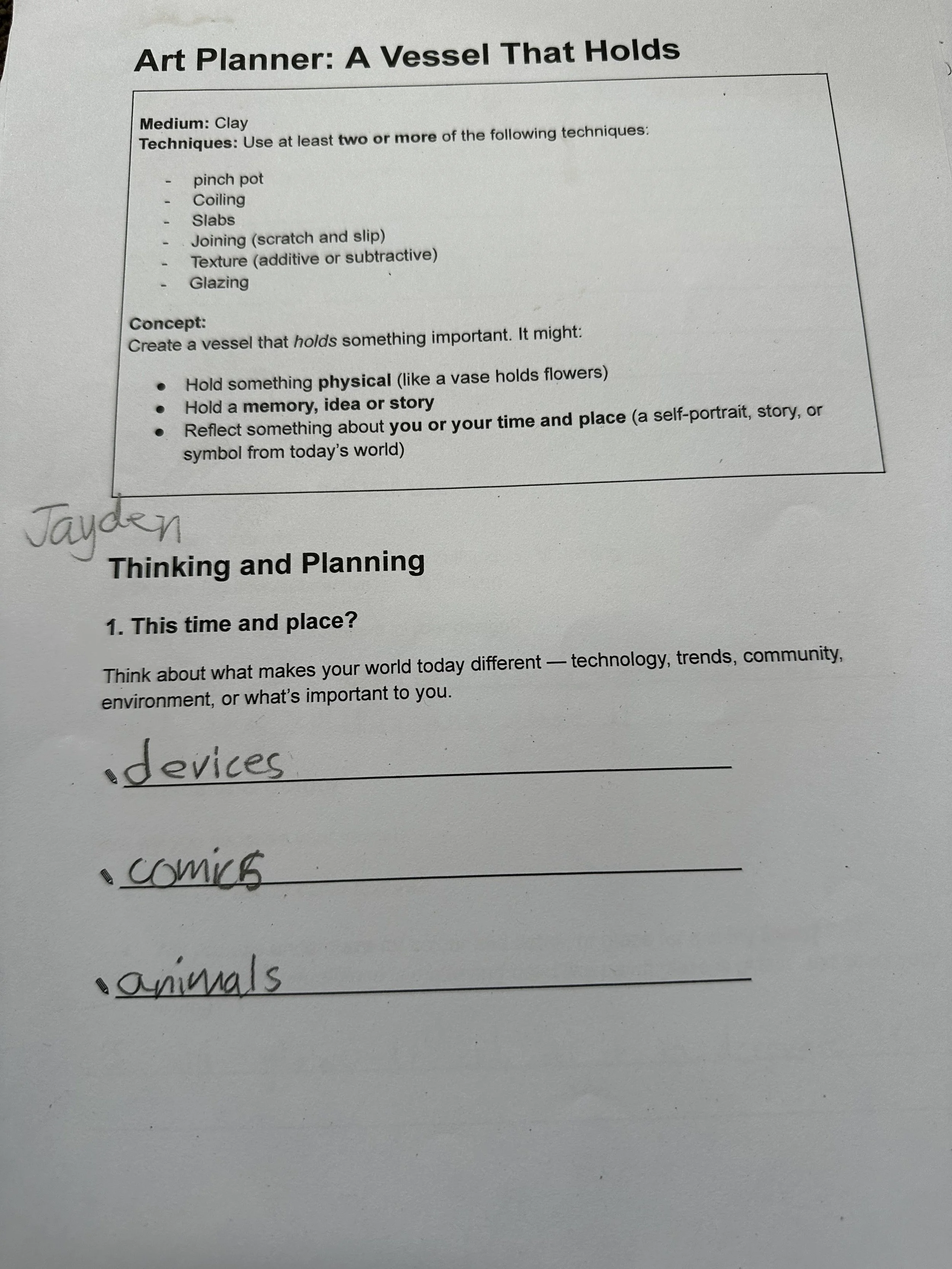
In this unit, students designed and create a range of ceramic vessels using clay. They explored how vessels can be both functional and symbolic, holding not just objects, but also stories, cultural identity, and personal meaning.
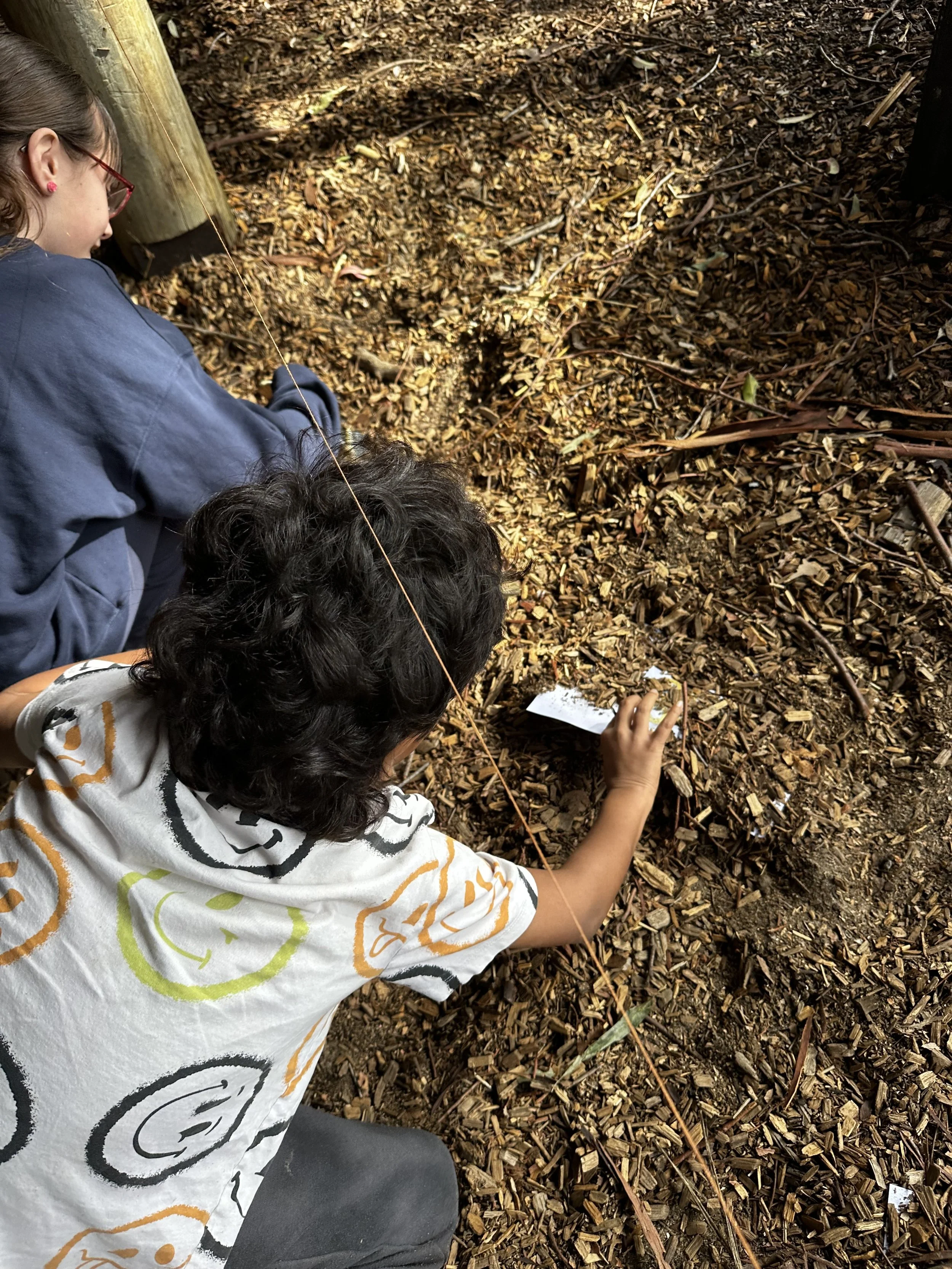
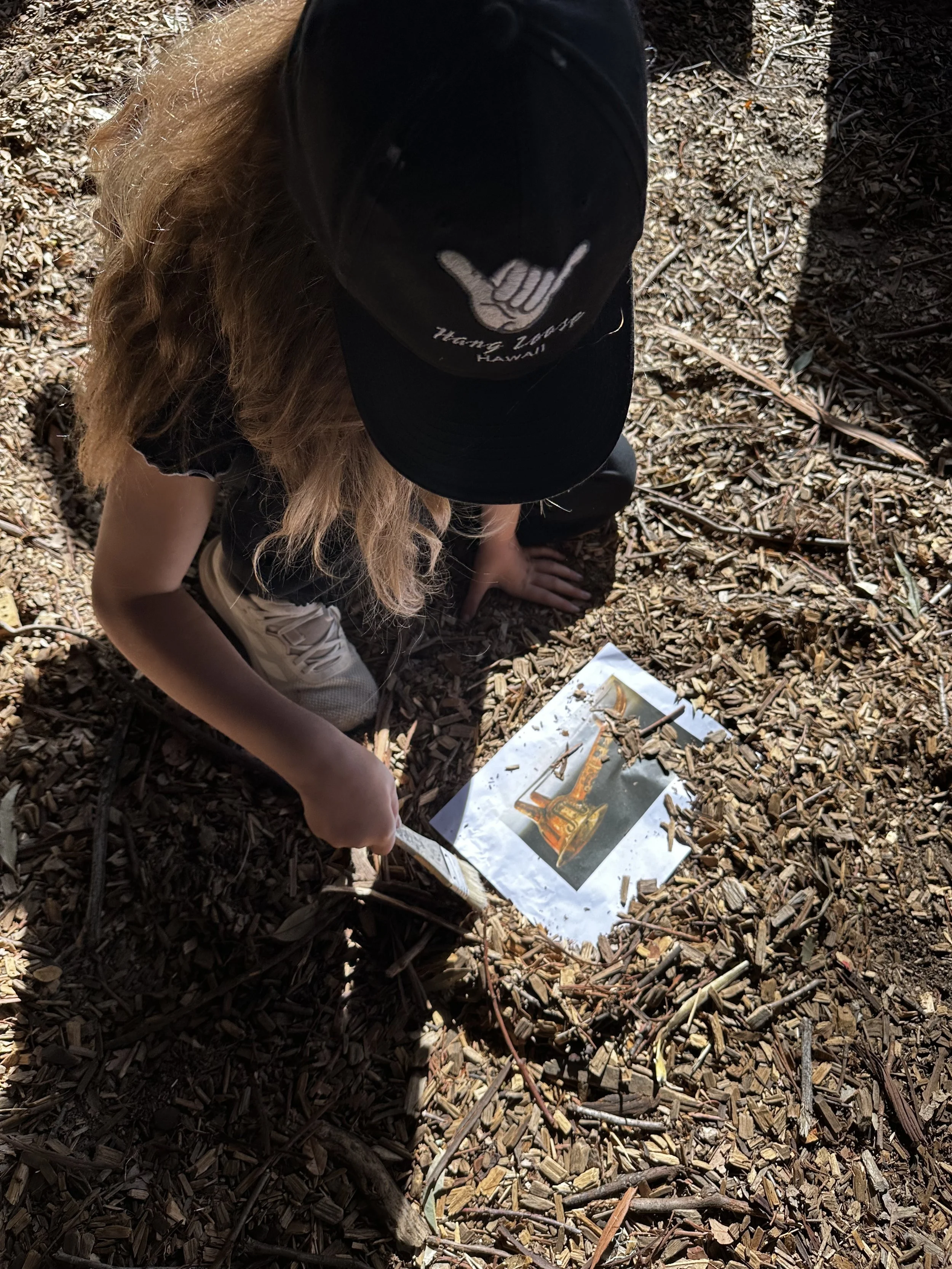
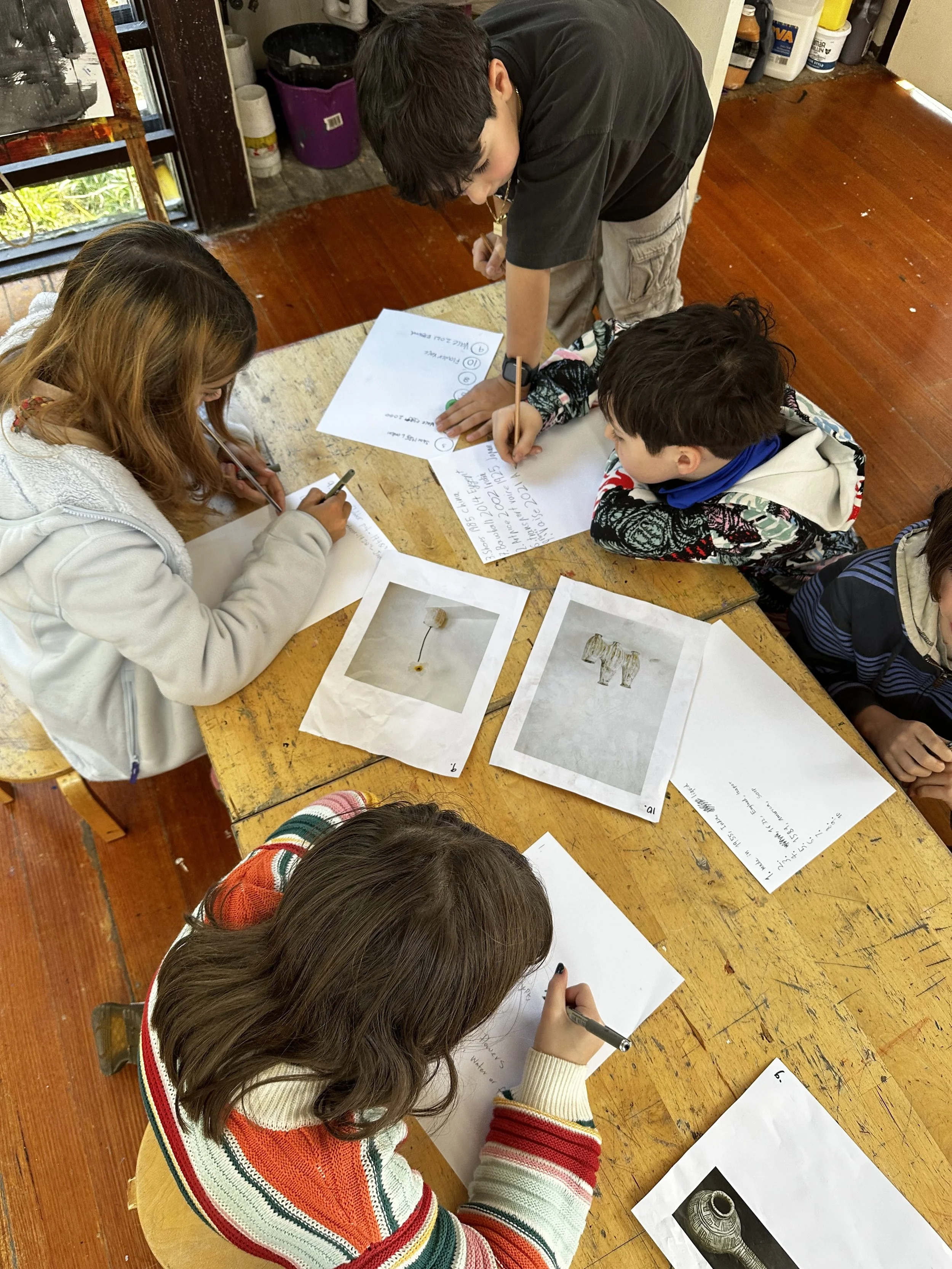
They learnt about historical and cultural examples of ceramic vessels through a hands-on archaeological dig. This activity encouraged critical thinking as students made guesses about the origins, purpose, and age of discovered pieces. Discussions explored how vessels act as records of time, place, and culture.
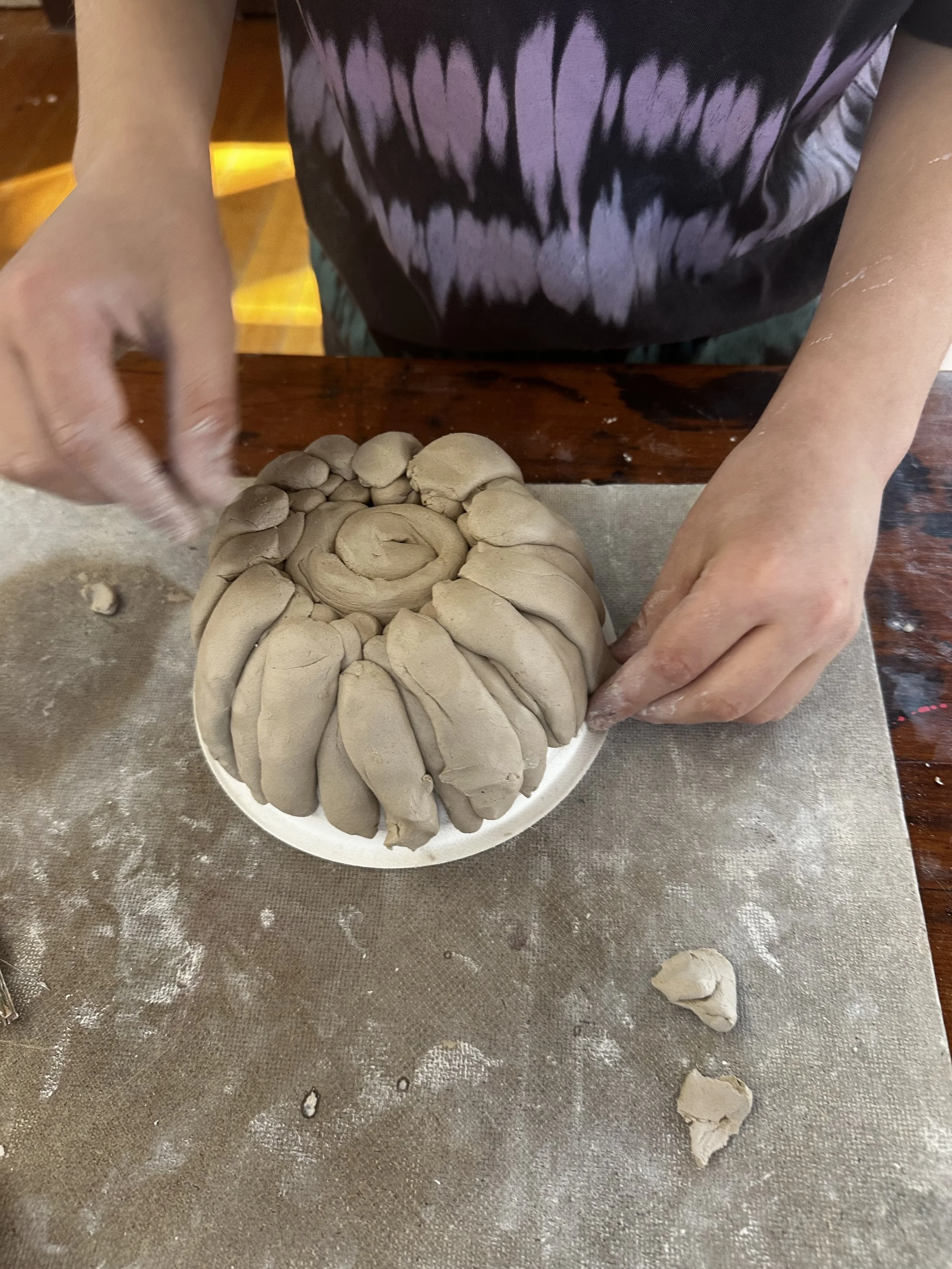
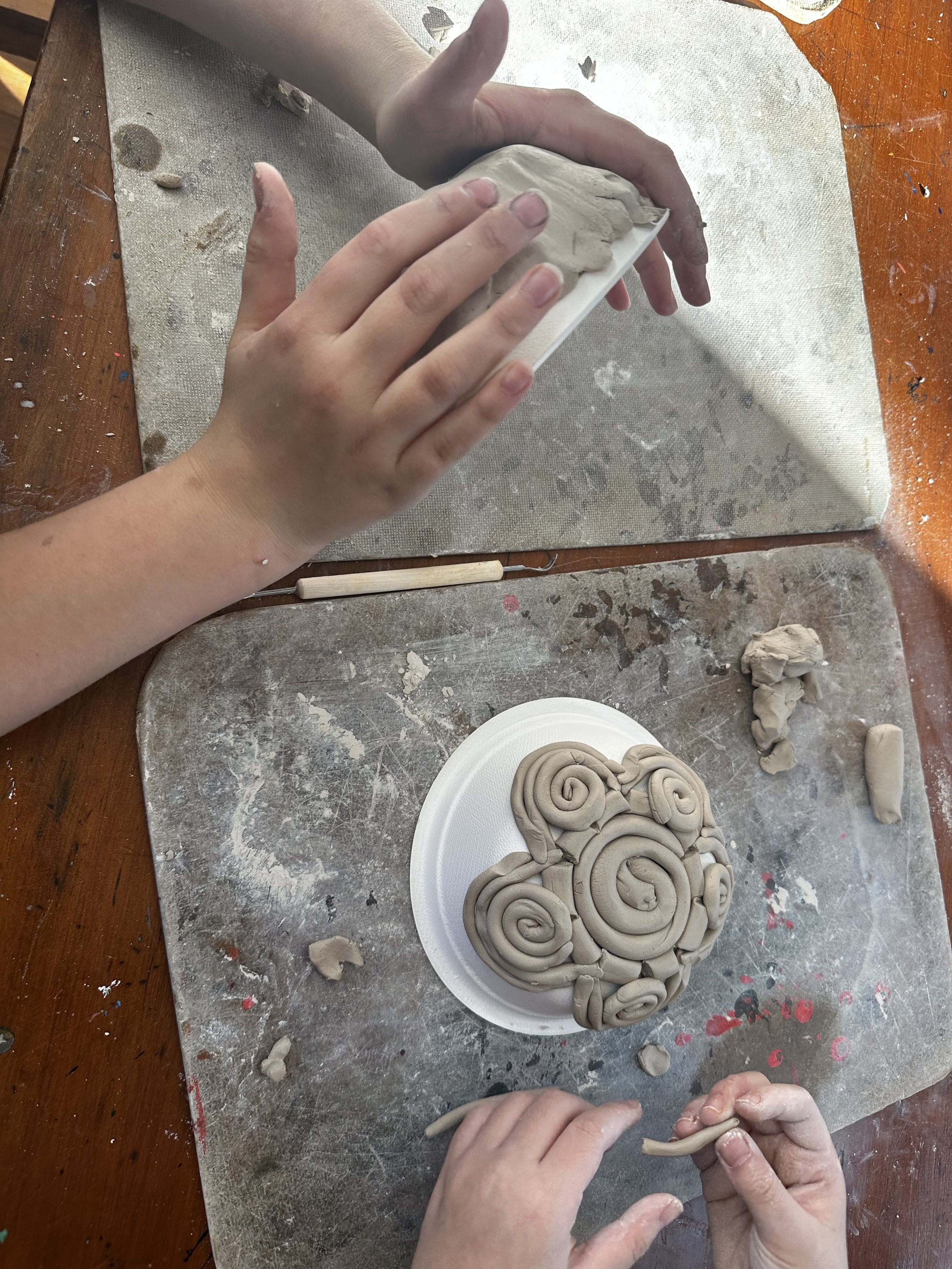
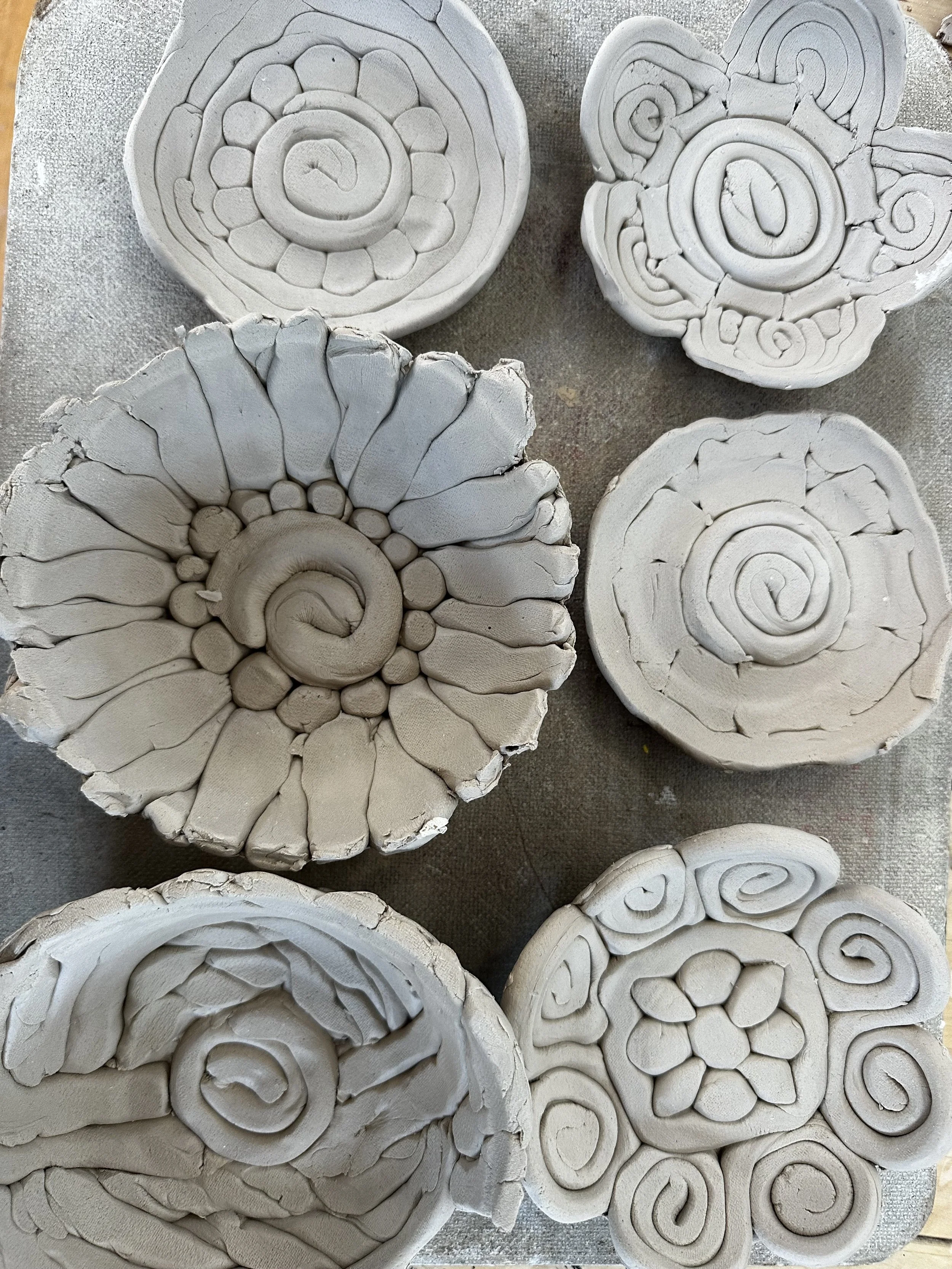
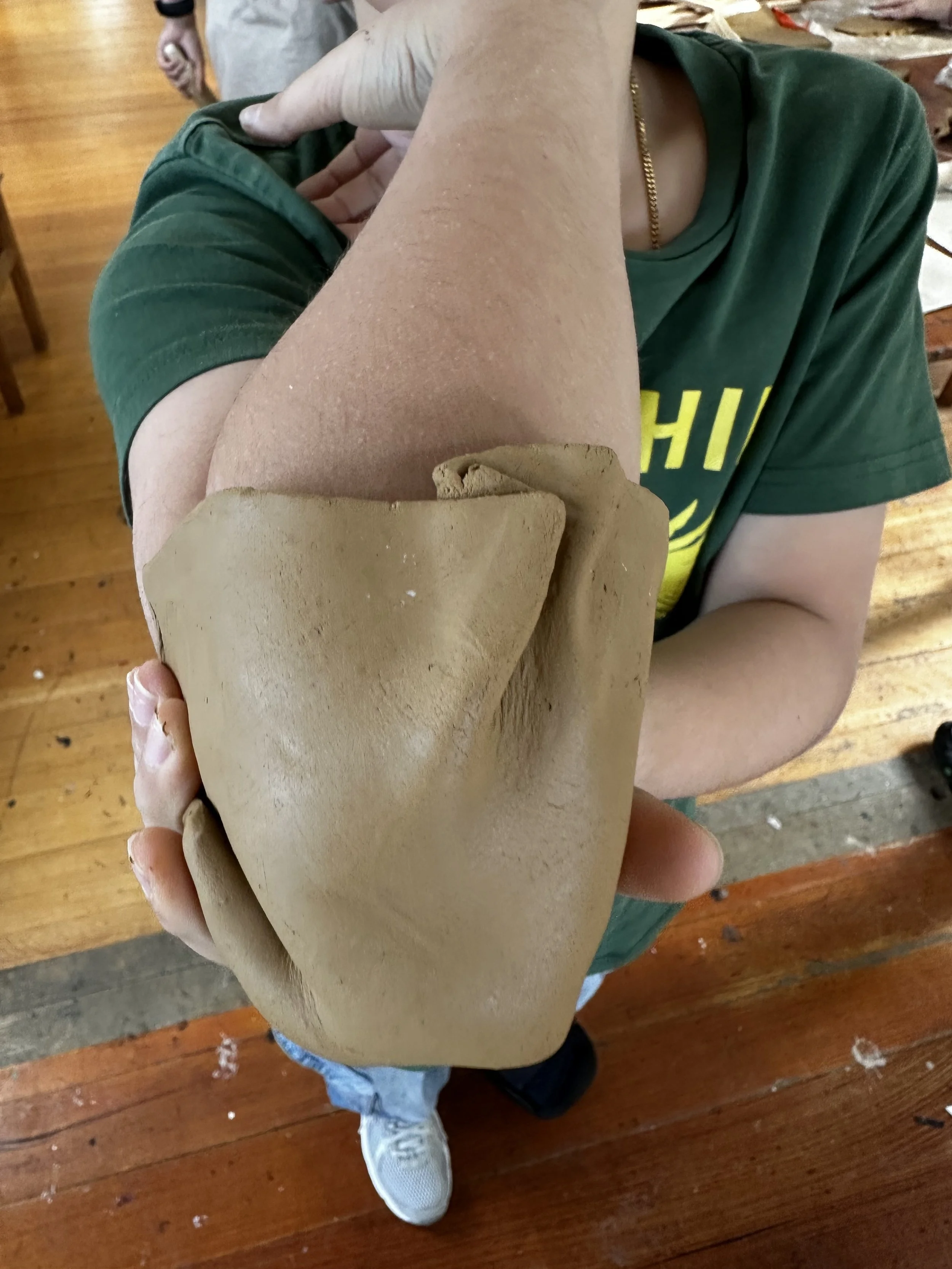
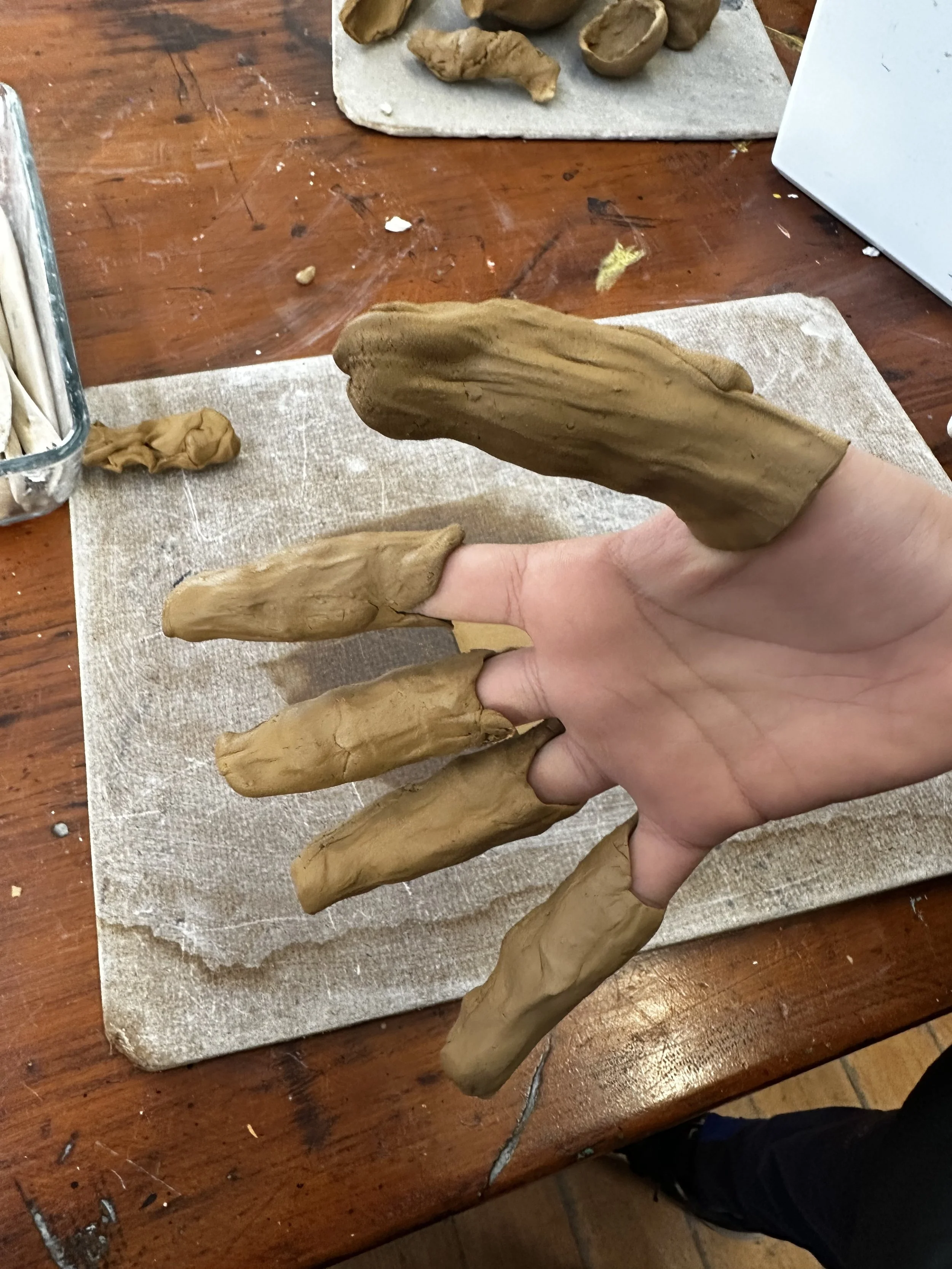
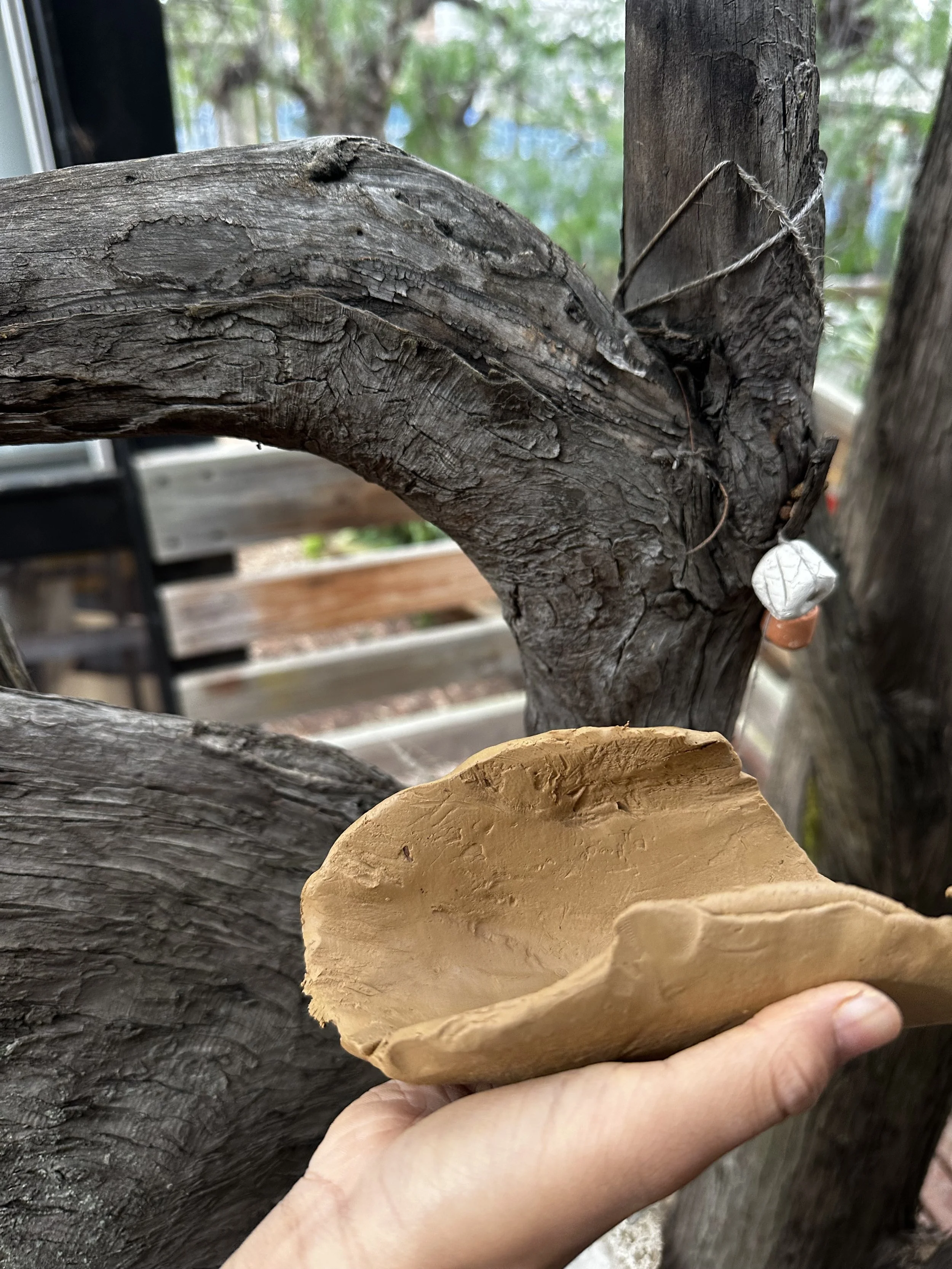
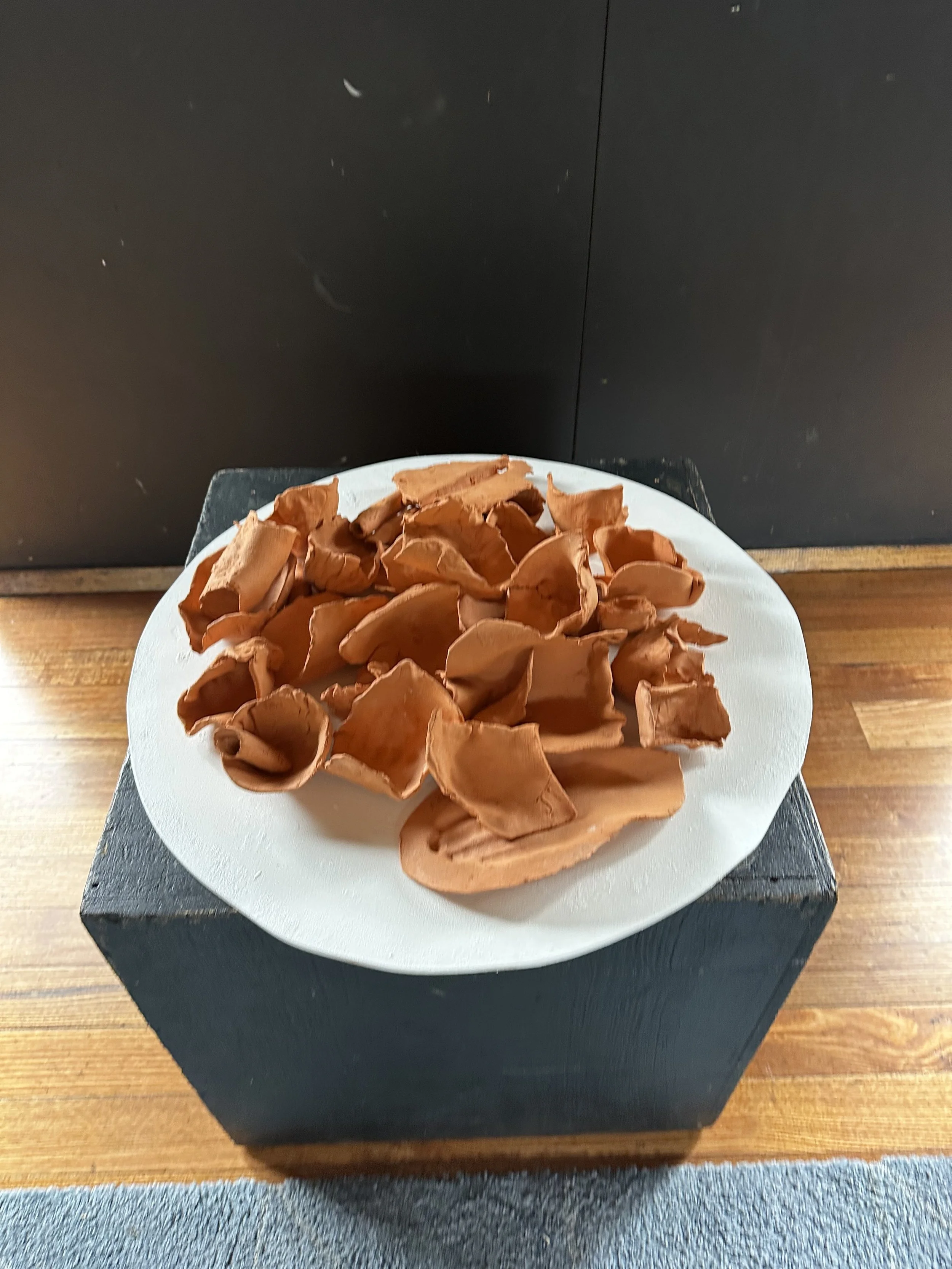
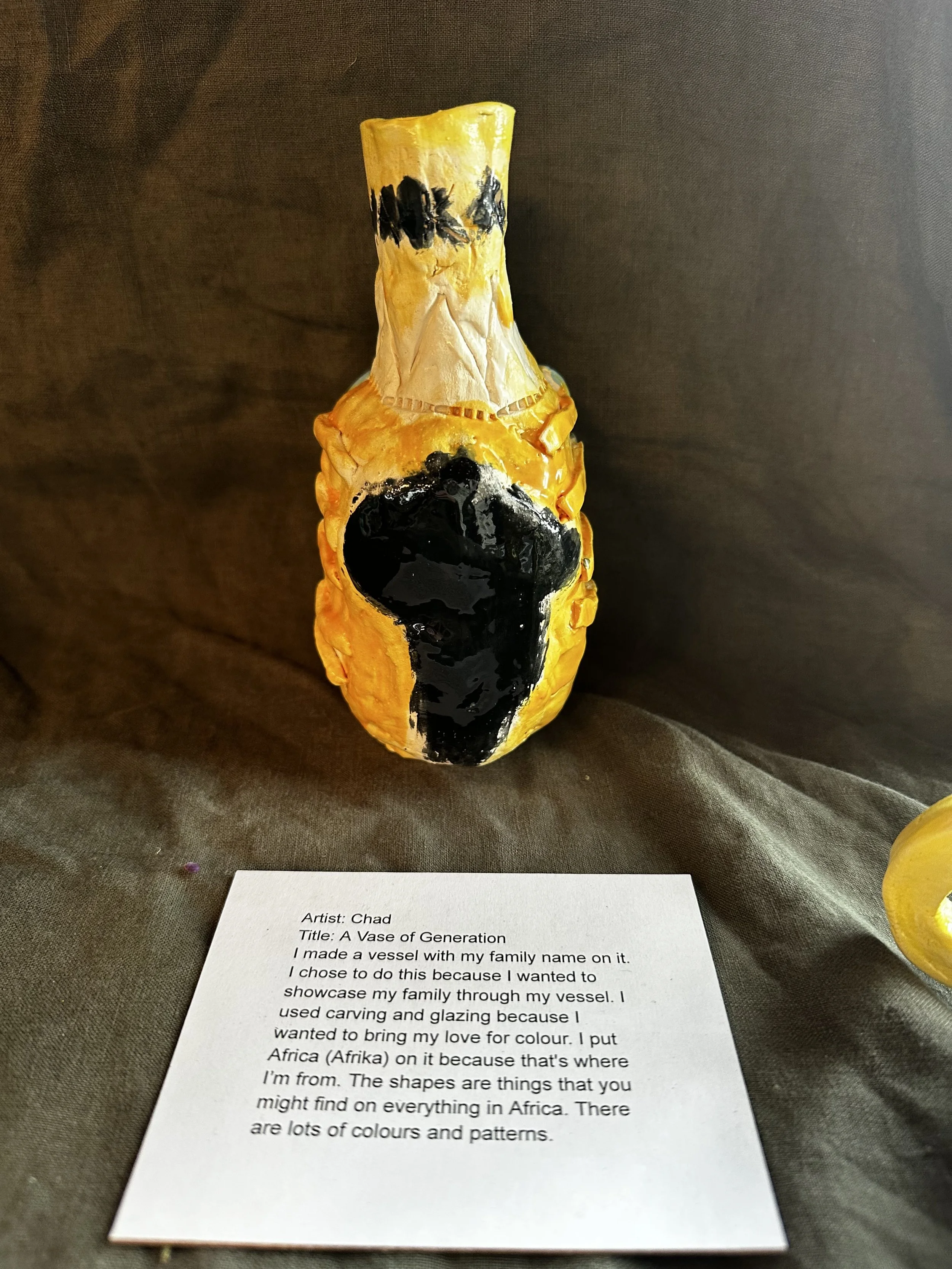
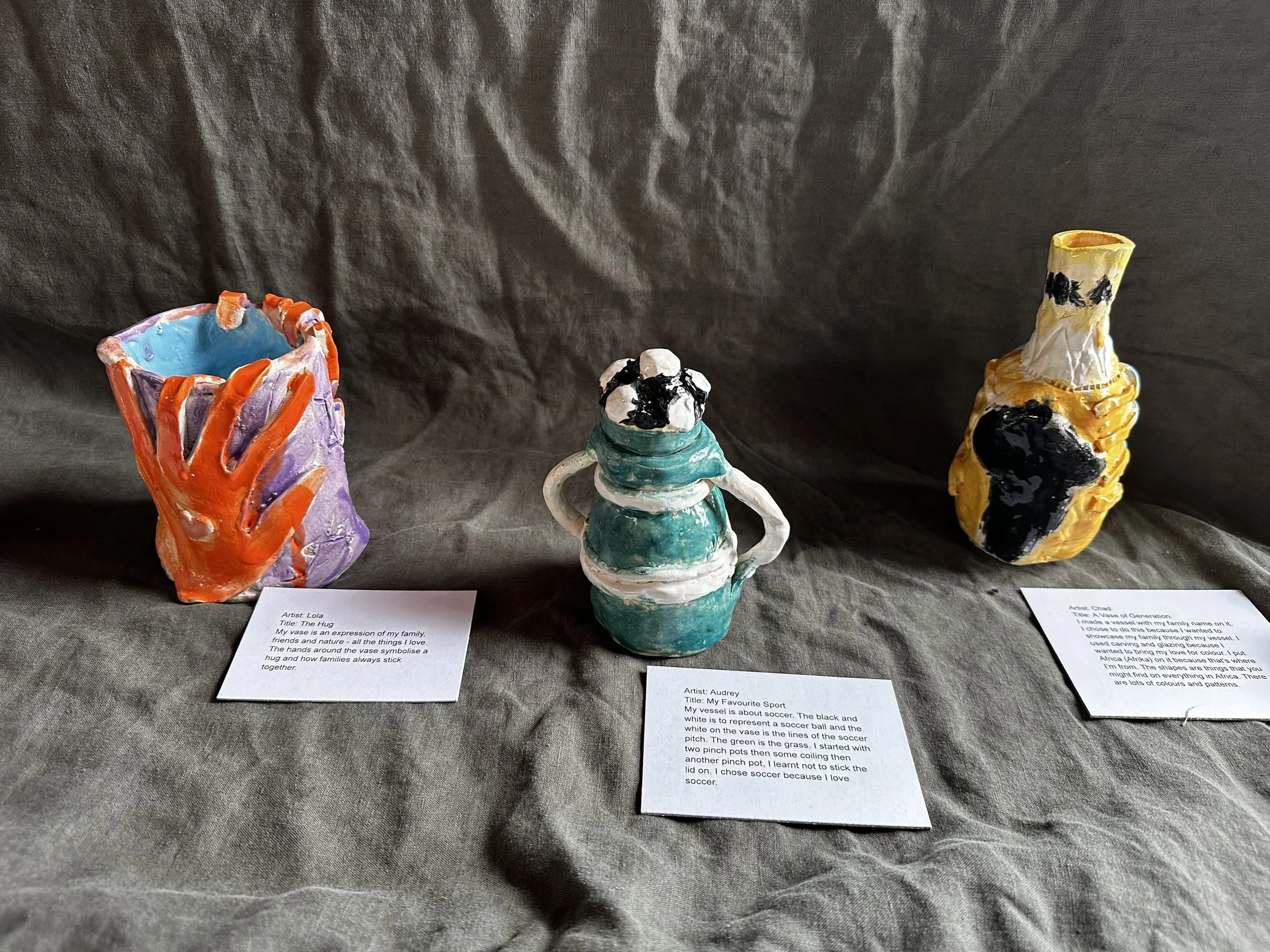
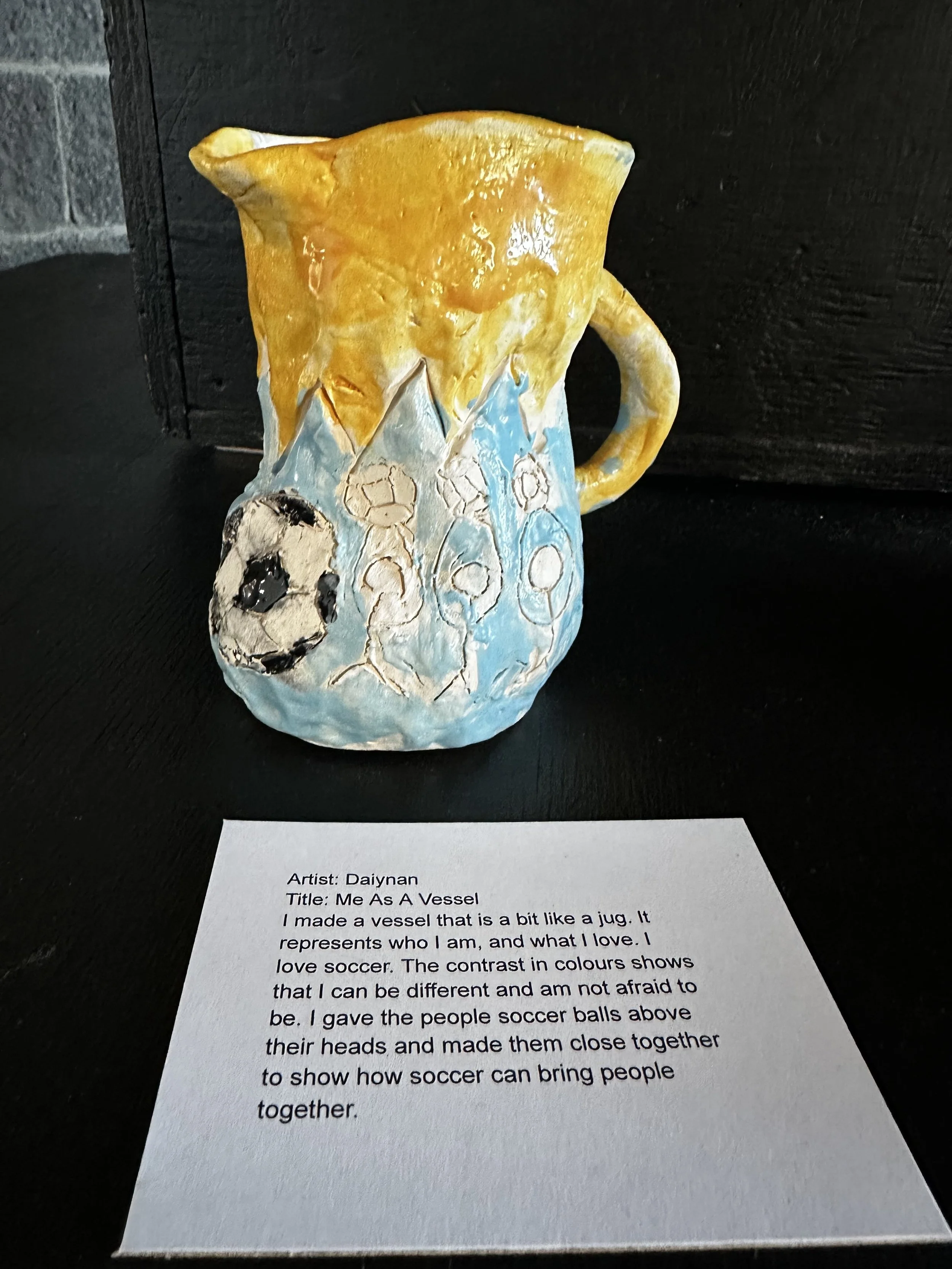
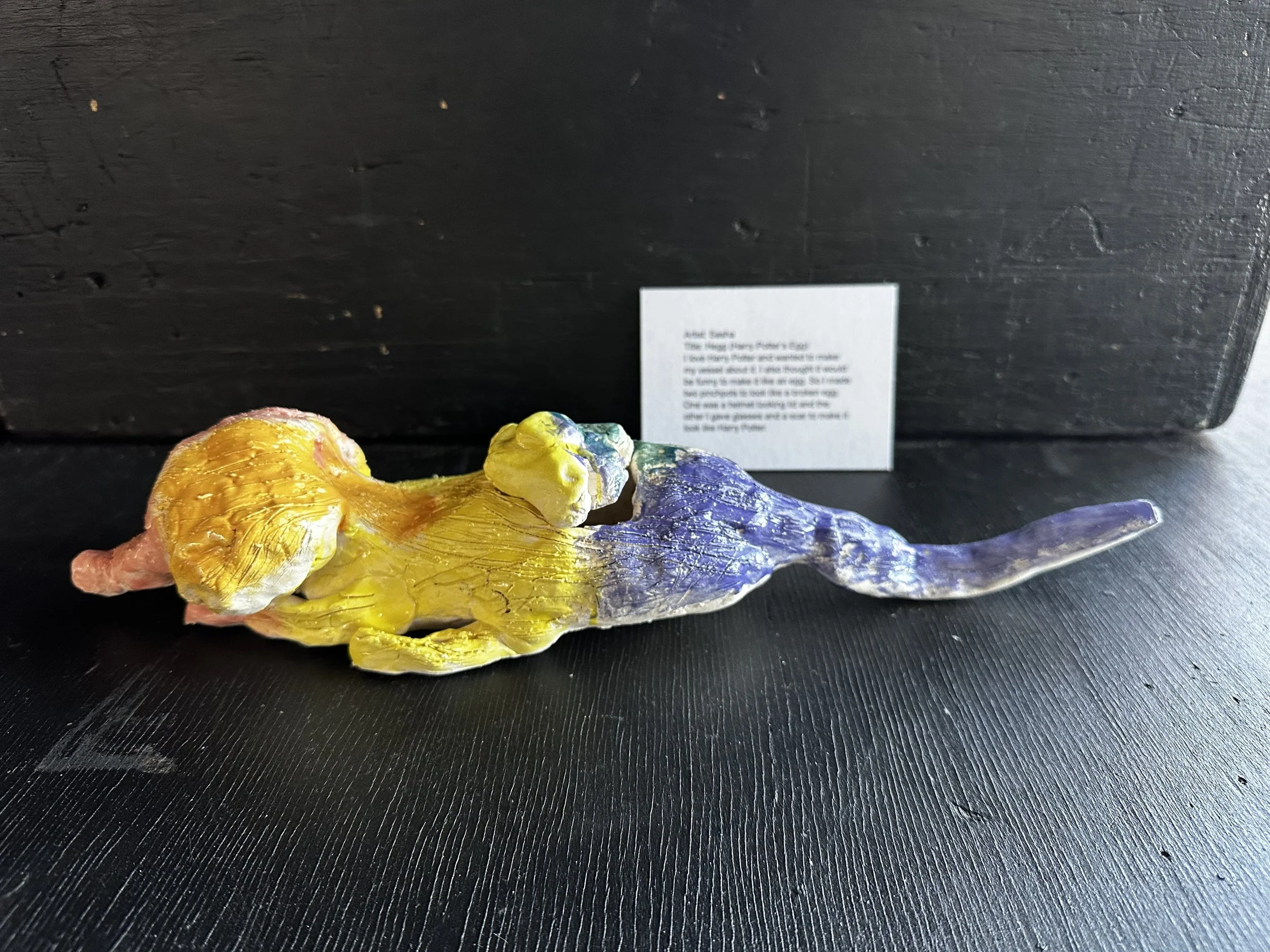
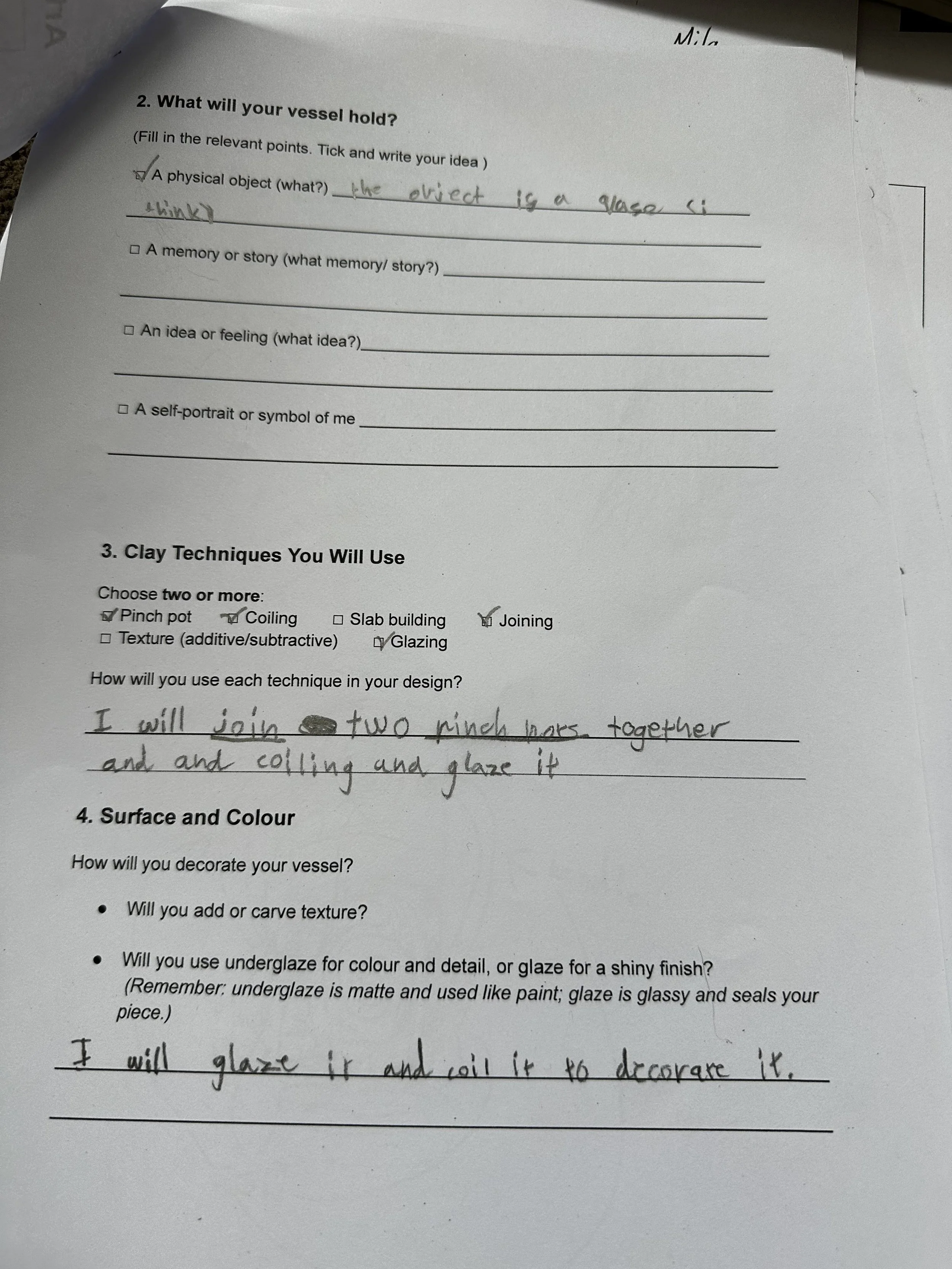
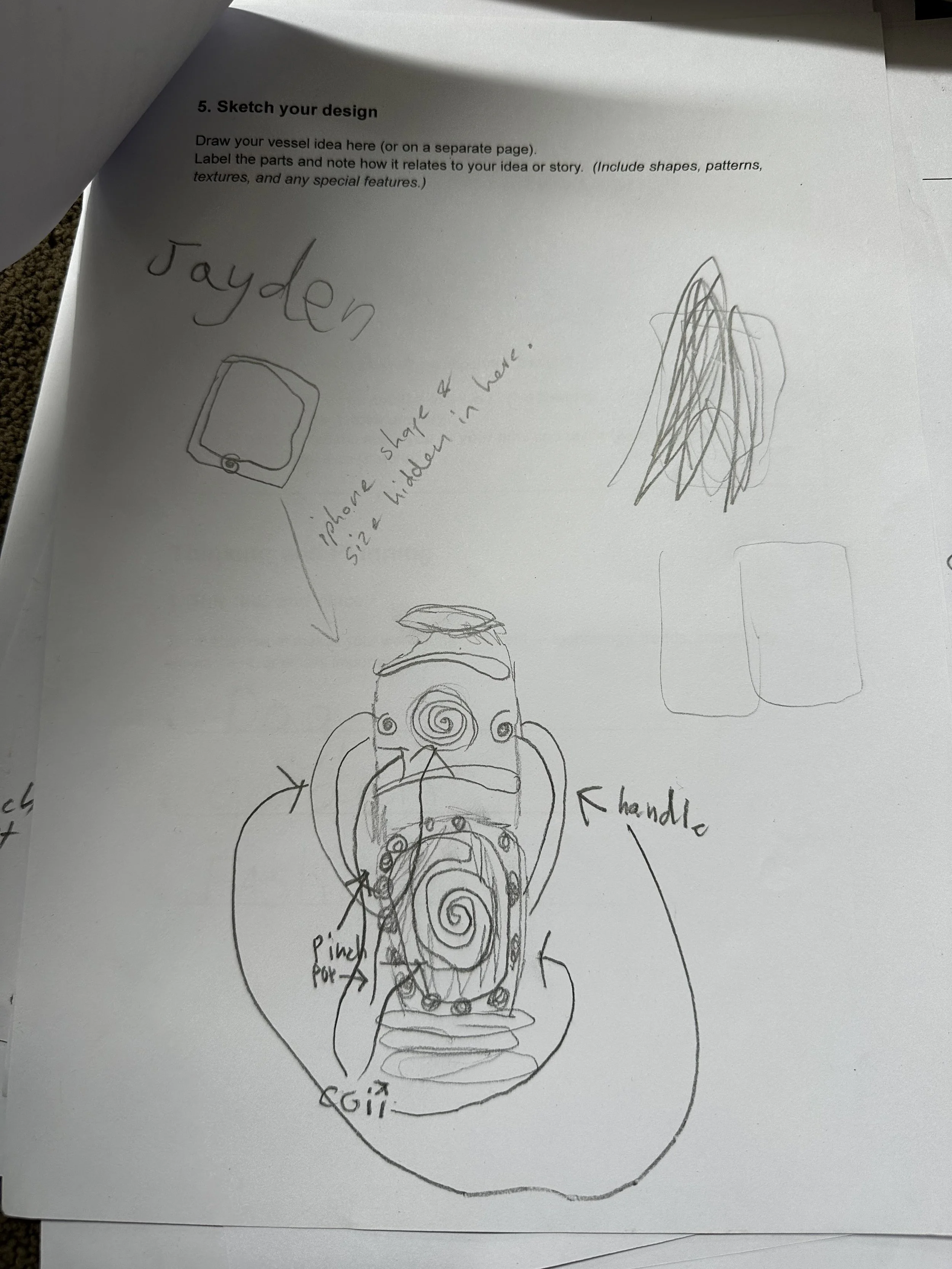
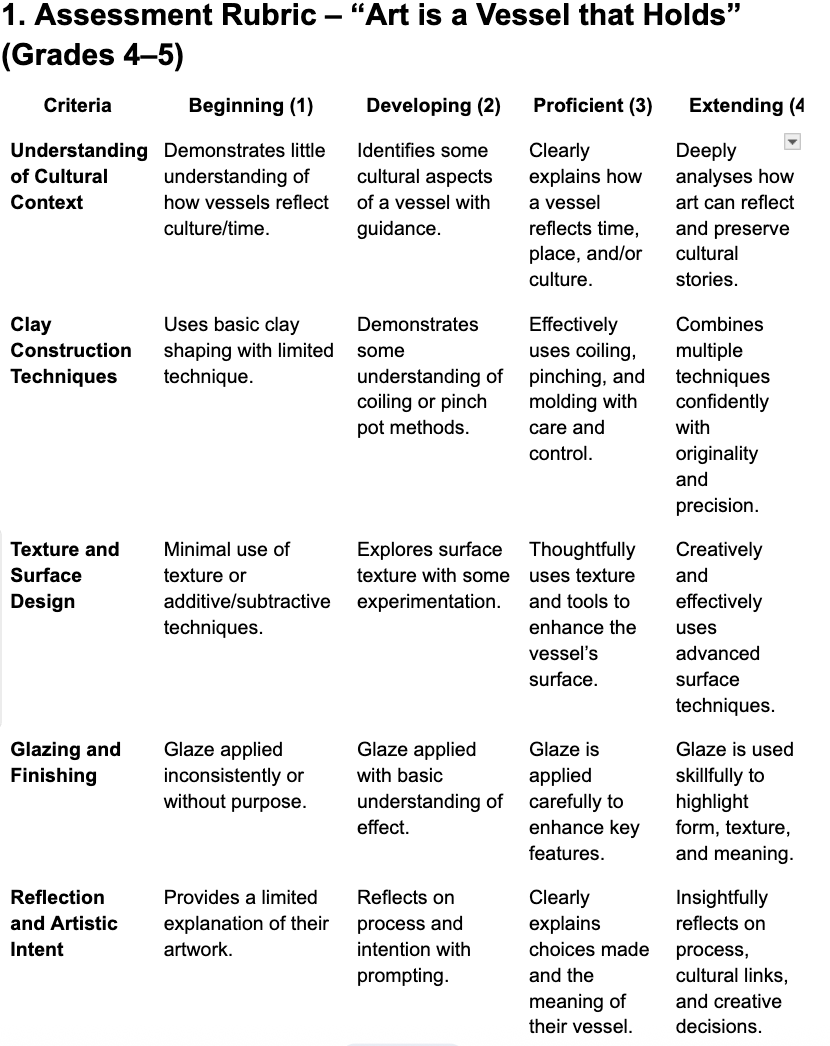
To inform and inspire their designs, students investigated a variety of hand-building techniques such as coiling, pinching, and slab-building. They experimented with surface texture using both additive and subtractive methods, as well as using their own bodies and natural materials (sticks, stones, leaves) as tools to create impressions in clay.
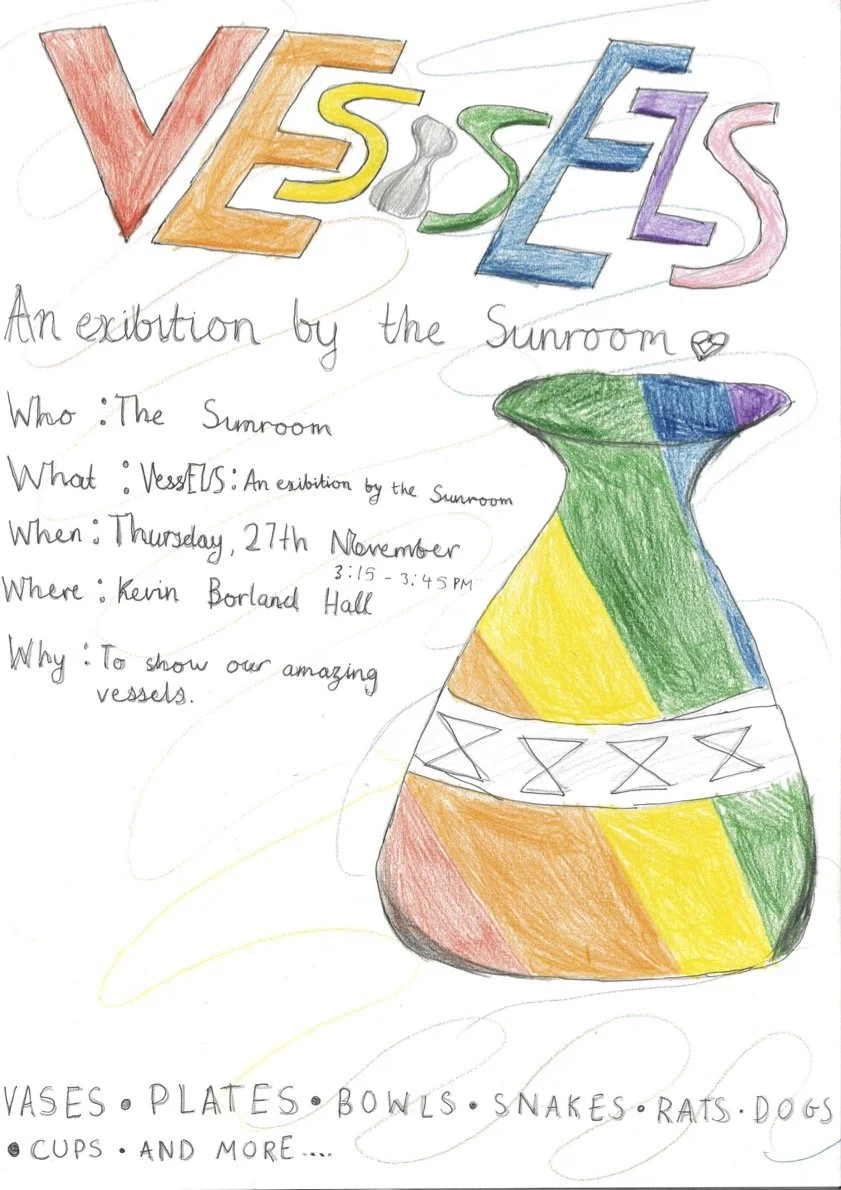
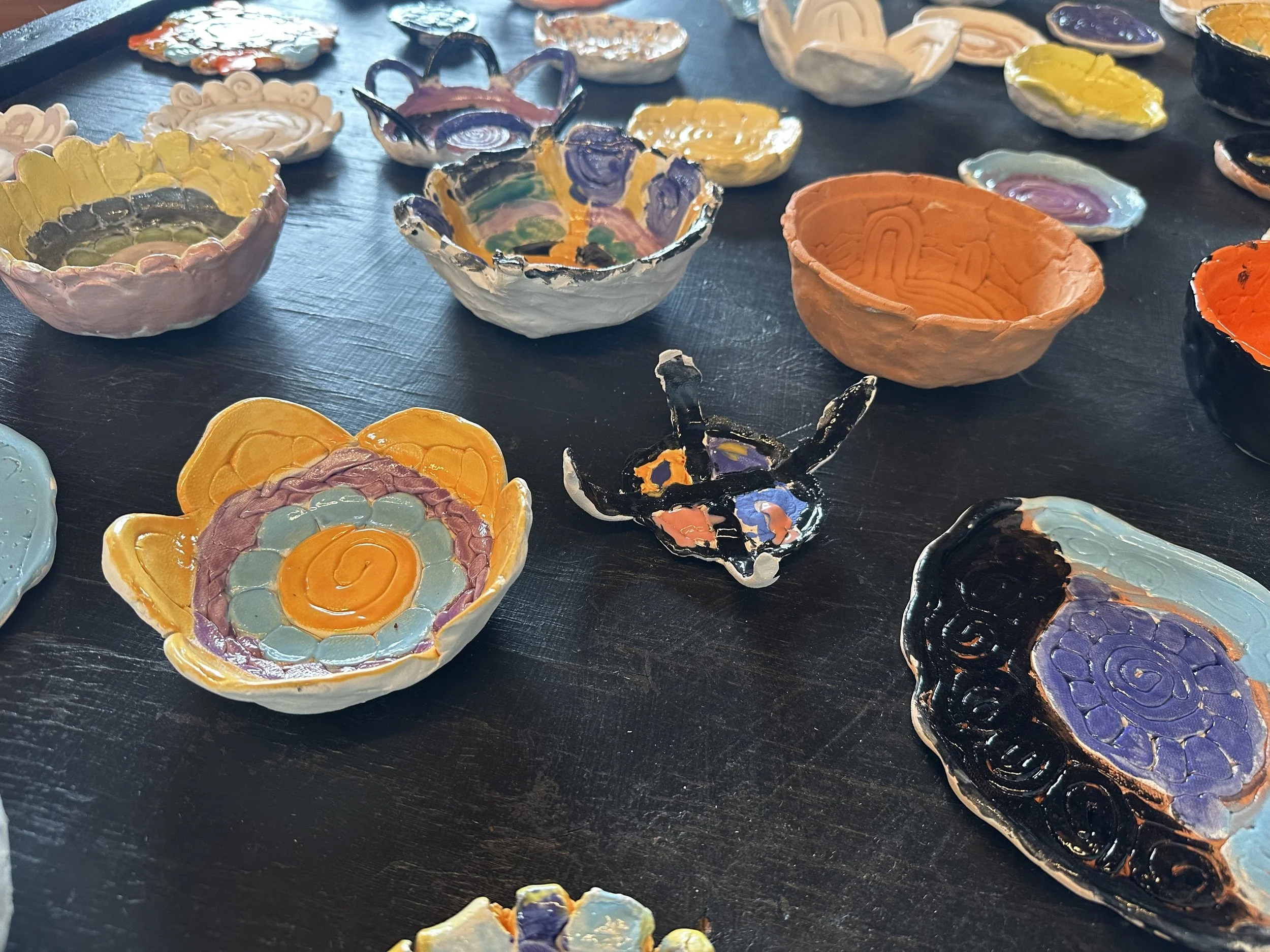
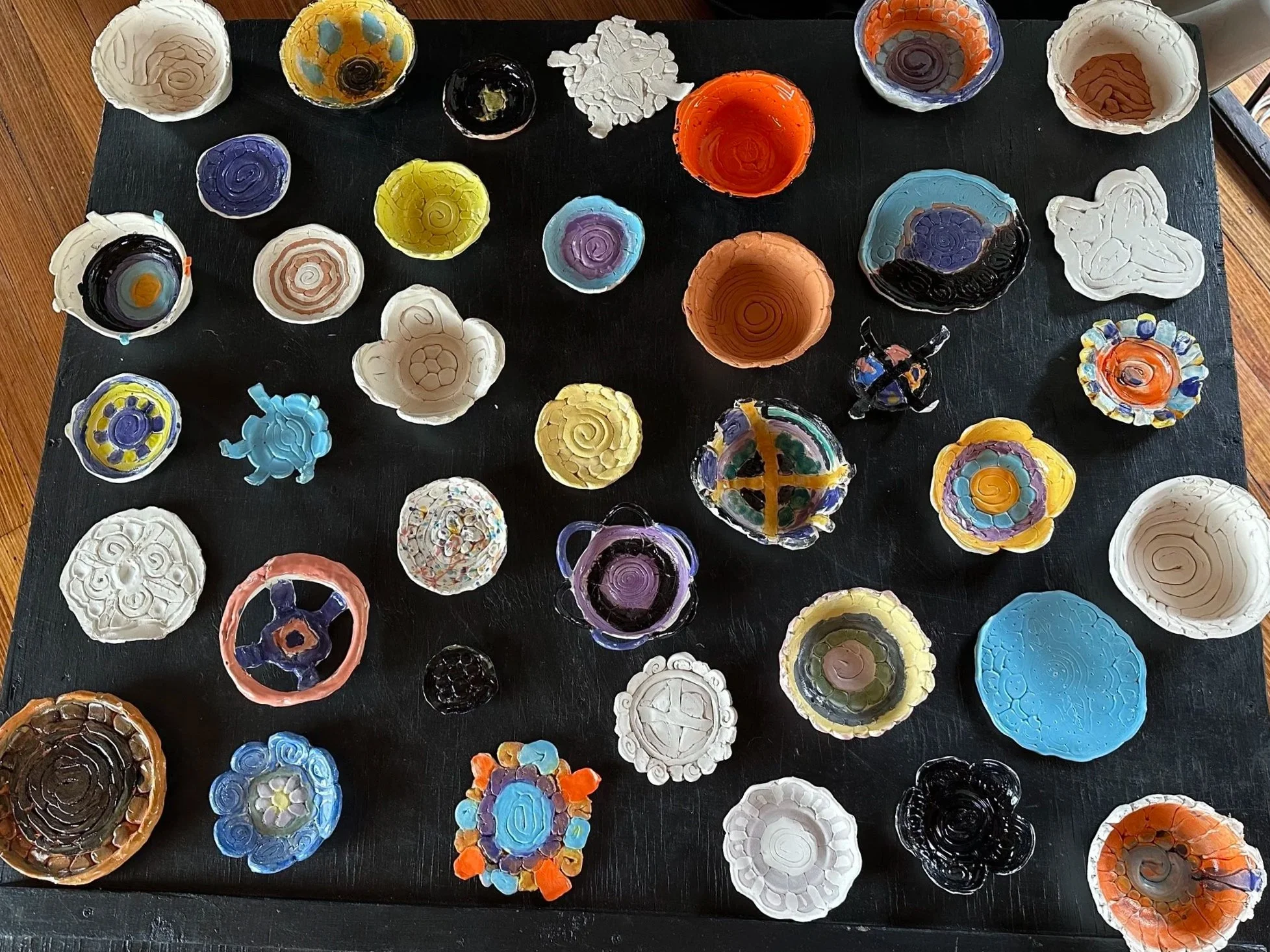
The students applied glaze to their pieces, enhancing the form and texture of their vessels. Through reflection and presentation, students will considered how their own vessels tell a story and what they hold, physically and metaphorically.
Students:
Experimented with shaping clay using body parts and natural objects as molds.
Explored coiling and pinch pot methods used by different ancient cultures.
Used additive (adding clay) and subtractive (removing or carving clay) techniques to create texture and detail.
Reflect on how ceramics can be both functional and expressive.
Learn how to apply glaze to enhance and preserve their work.
Curriculum Links – Victorian Curriculum (Levels 3–6 Visual Arts):
Explore and Express Ideas (VCAVAE025): Explore how artists use materials and techniques to express ideas, observations and imagination.
Visual Arts Practices (VCAVAV026): Use materials, techniques and processes to explore visual conventions.
Present and Perform (VCAVAP027): Present artworks to communicate ideas to an audience.
Respond and Interpret (VCAVAR028): Identify and describe how visual artworks reflect the world and express ideas, including those of Aboriginal and Torres Strait Islander Peoples.